Membership
Early light crosses the floor of Eleanor Voss’s office above the harbor, and the first thing she does each morning is open every window. A broker with twenty years in Harbor Point, she describes houses the way she sells them: by what a room does at a particular hour. In conversation with Kara Worley, Eleanor reflects on noticing, on what clients ask for now, and on the house that changed how she works.
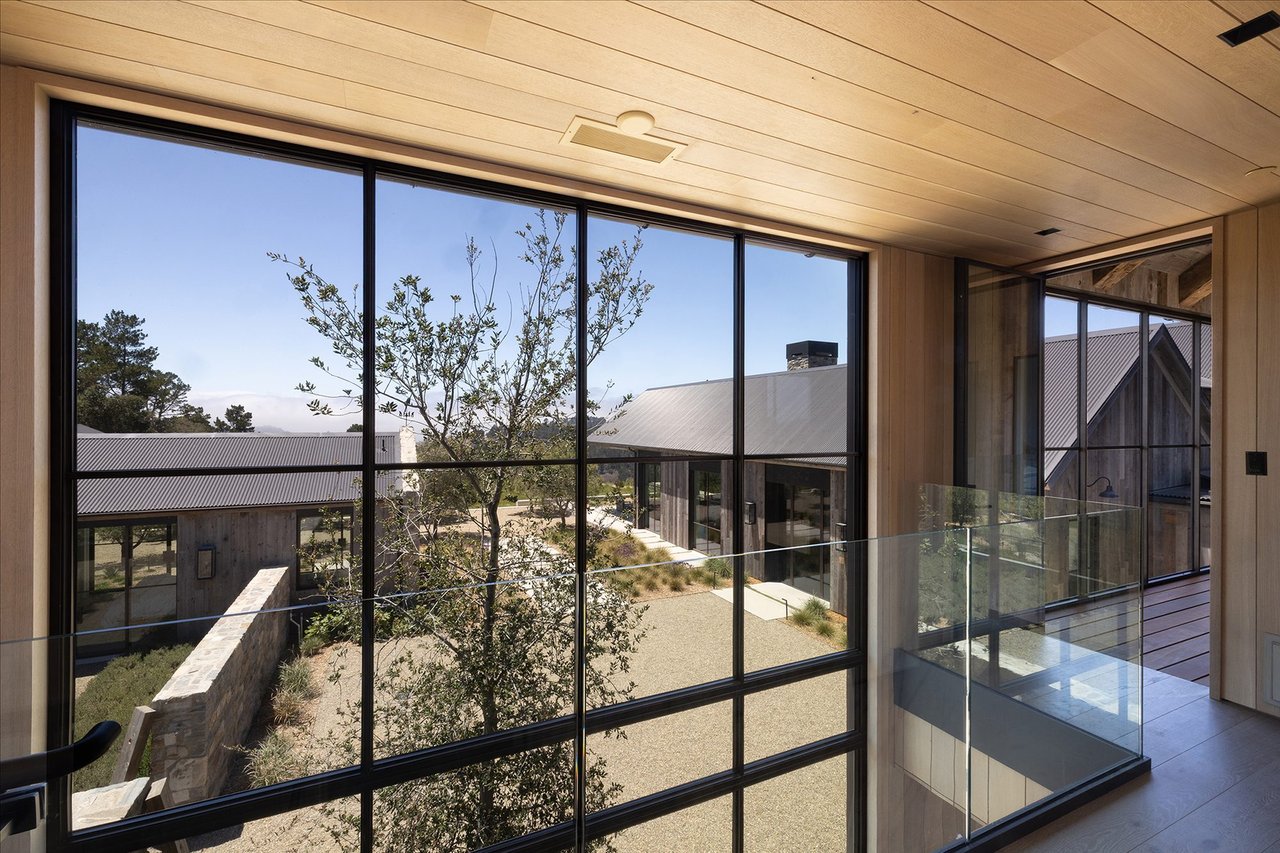
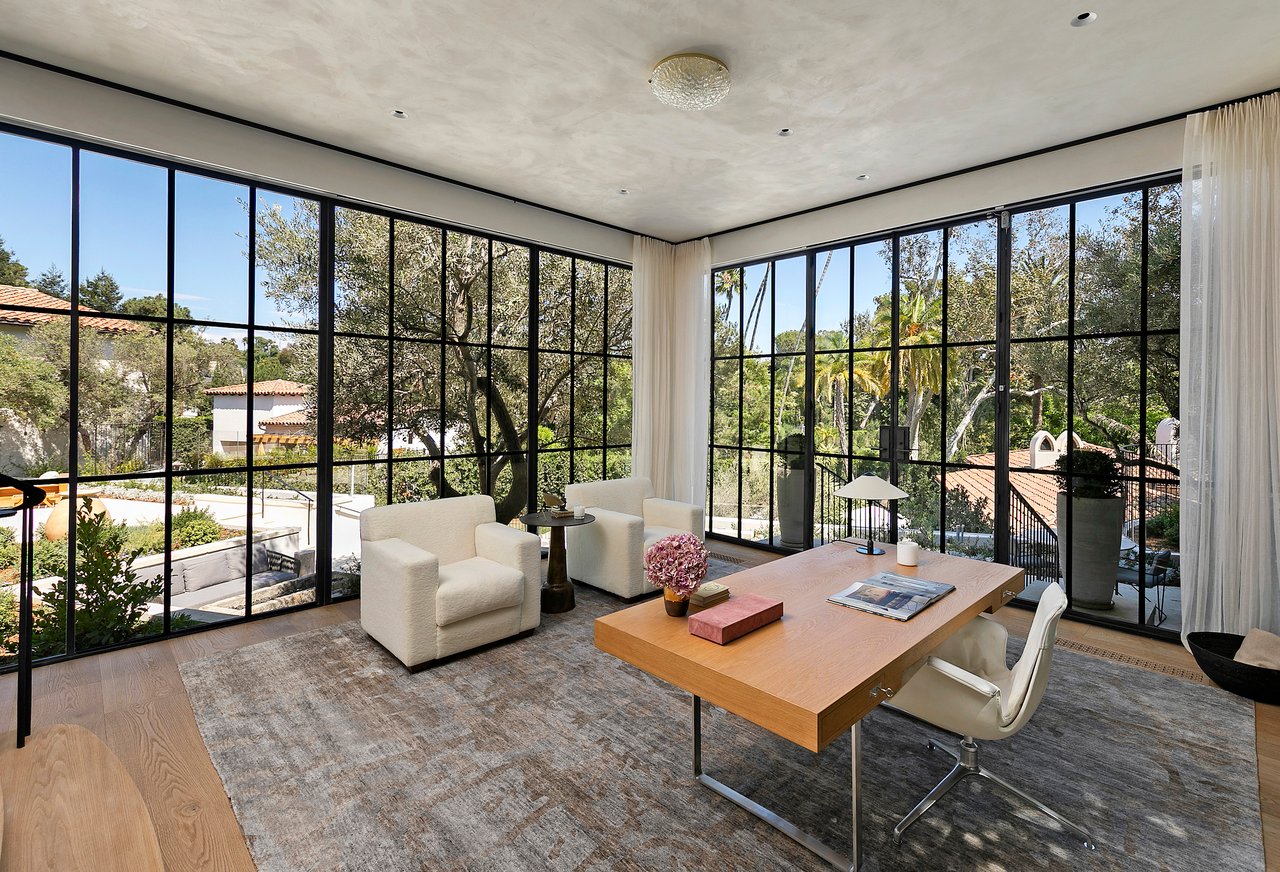
I open every window before I open my email. The office faces east, over the harbor, and by seven the light has crossed the floor and reached the far wall. I like to know what a room does before anyone arrives. It is the habit I bring to every house I list. I want to stand in it when it is at its best, and again when it is not.
Most people look at the kitchen. I look at where the light lands. A house will tell you how it was meant to be lived in if you stay long enough. I notice where the afternoon settles, which door people drift toward without thinking, which chair has the best view and who would naturally sit in it. Buyers walk through a house in twenty minutes. I try to get them to stay for forty.
I grew up in a house where nothing matched and everything belonged. My grandmother collected furniture the way other people collect stories, one piece at a time, each with a reason. Her dining table came from a church sale and her chairs from three different decades. Nobody ever noticed, because the room was built around the people sitting in it. That is where I learned that a home is not a set.
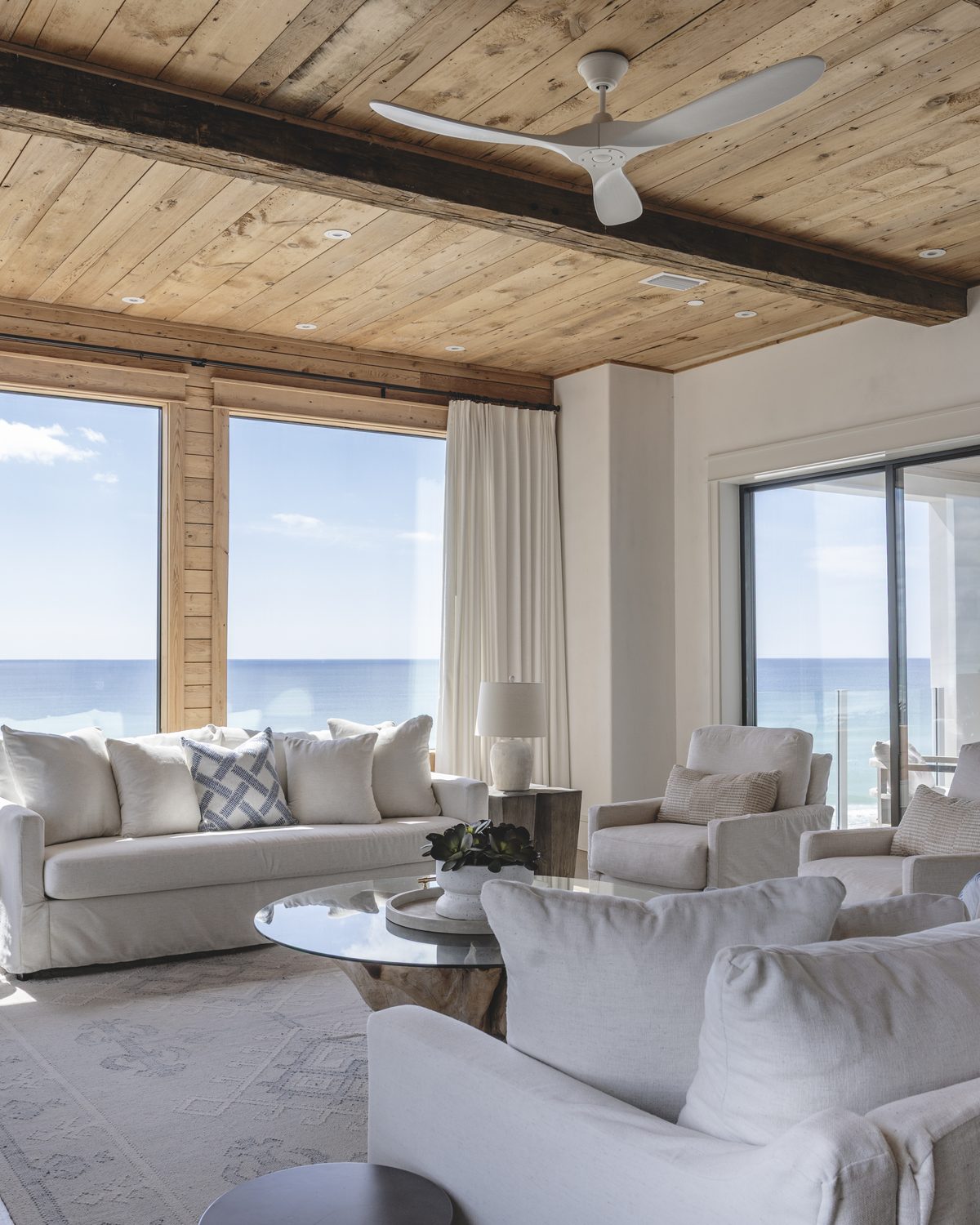
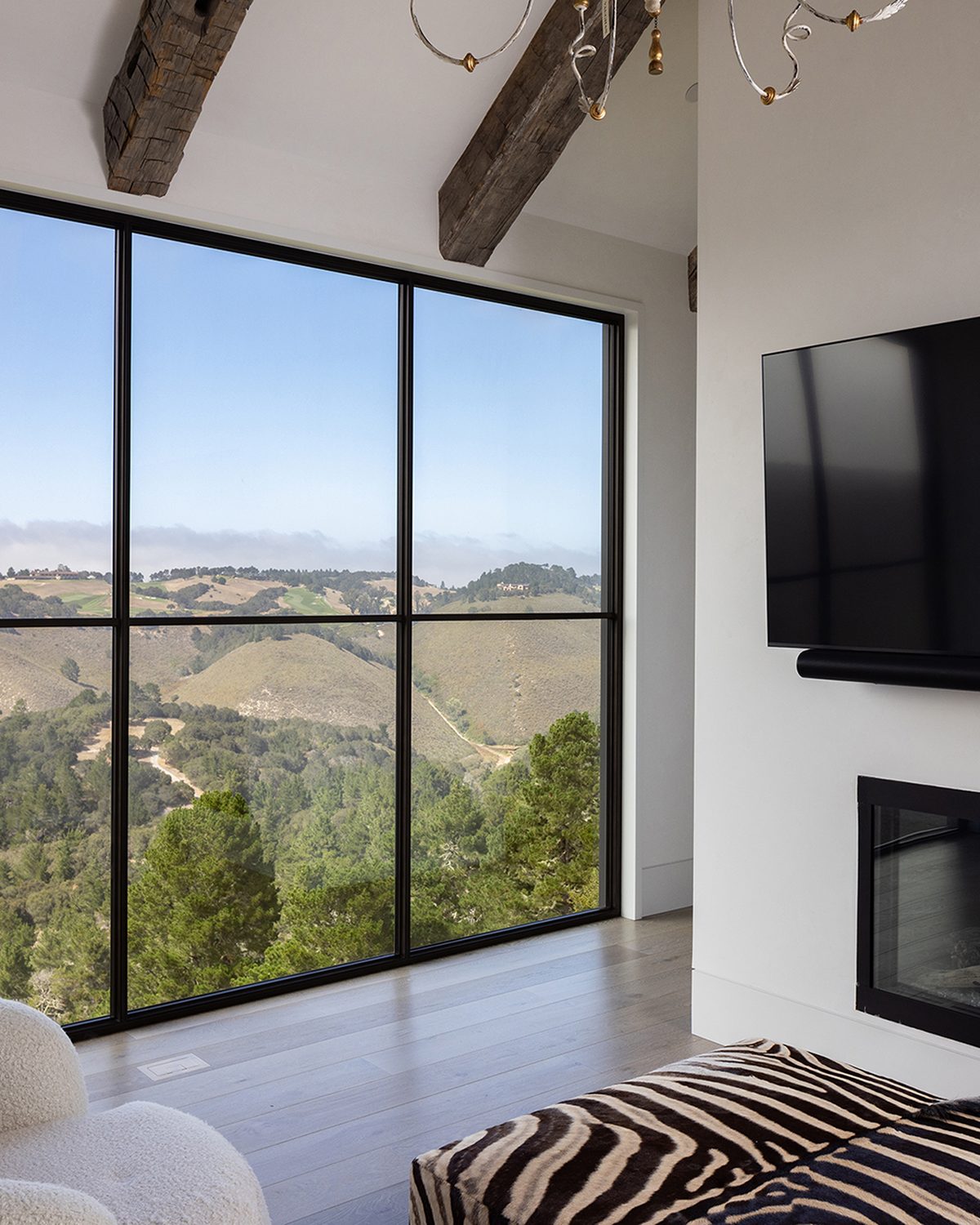
Clients ask for fewer things now, and they ask more specifically. Ten years ago the list was long: a great room, a media room, a wine cellar, a gym. Now people tell me they want a table that seats twelve, a kitchen that is not a showroom, and one room where nobody is allowed to talk about work. They spent years at the kitchen island with a laptop, and they know exactly what they missed.
One house changed how I work. A couple asked me to sell the house they had lived in for thirty years, and they wanted me to change nothing. No staging, no fresh paint. I argued with them for a week and then gave in. Buyers stood in the entry and talked about holidays. It sold to a family who kept the dining room exactly as it was. After that I stopped telling people what to change and started asking what they would miss.
A house should not try to please everyone, and I know my peers disagree. The pressure to neutralize every room is enormous: gray walls, white sofas, nothing personal. But the buyer who falls in love is falling for a point of view. Sand it all off and you are selling the idea of a house, and an idea does not have a front porch.

I look for the things that have nothing to do with square footage. Can you hear the water? Is there a place to put down a bag when you walk in? Does the street feel like it has been waiting for you? None of it appears in a listing, and all of it decides the sale.
I wish buyers understood earlier that a house is a place to practice a life, not display one. The ones who buy well ask what Tuesday will look like, not what the Saturday party will look like. If Tuesday works, Saturday takes care of itself.
I keep a small brass key on my desk, and it opens nothing. It came with the first house I ever sold, a cottage on a hill. The owner left it in an envelope with a note that said only: it fit once. I have never found the lock. It reminds me that every house I handle is someone’s whole story, and I am only holding it for a while.
What I would want someone to know about Harbor Point is how quiet it is at seven in the morning. Walk down to the water before the shops open. The fog sits on the harbor, the boats are still, and the town hasn’t decided yet who it will be that day. Most visitors never see it. The ones who do tend to stay.