Membership
The Boston-born broker now has a hand in Telluride’s next chapter, from a Four Seasons at the base of the gondola to bedrooms that pipe in oxygen. In conversation, he considers the return to timeless architecture, the rise of the well-traveled buyer, and why trusted advice still wins.
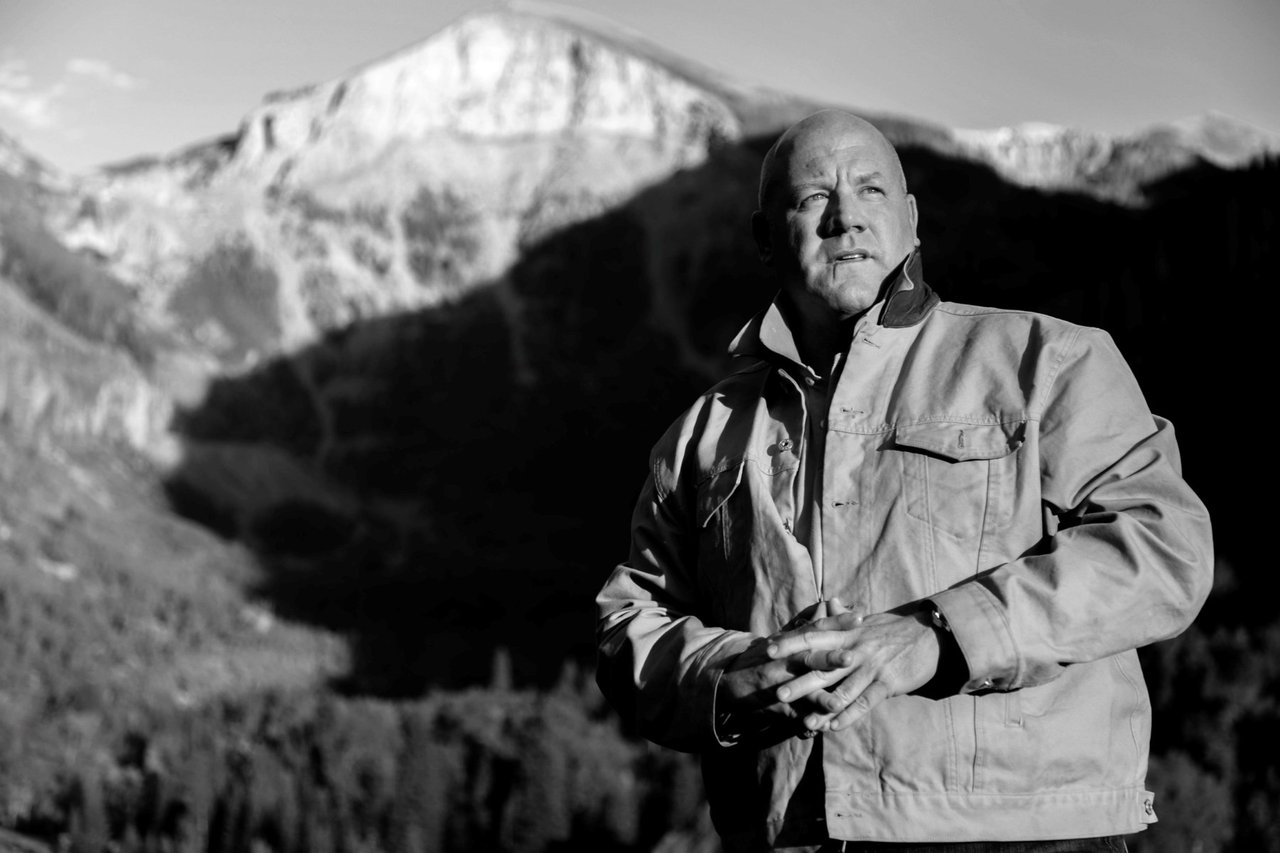
Hospitality was the way in. I grew up in Boston, drawn to history and geography. Old estates ringed the city, and my high school sat among brownstones and some of its most beautiful neighborhoods. I was fascinated by those places and the people who made them.
At 19, I took my first job in Yellowstone, then landed in Jackson, and I kept returning west through college. For three summers I worked for a family on Martha’s Vineyard whose small hotel is still the island’s finest. They also ran its premier brokerage, and I would walk guests over to the office, watch the sons at work, and think: I could be good at this. It had everything I loved. I spent my winters in Telluride.
When it came time to choose between the Vineyard and Telluride, I chose the West. By my mid-twenties I was in real estate, younger than most of my peers.
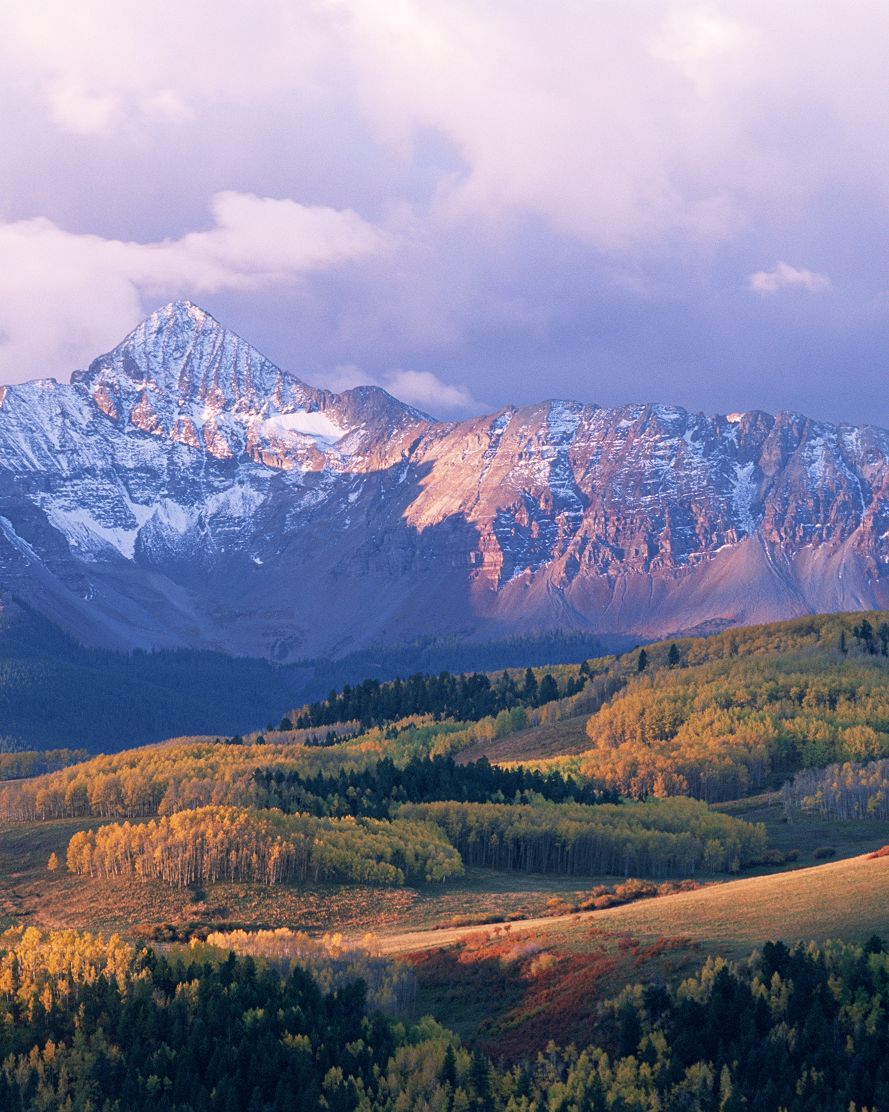
It looked like the Alps, and it felt like something was about to happen. In Jackson, I had fallen for the verticality of the Tetons. That same summer, at 19, I drove down to Colorado to see friends in Telluride: a town set in the middle of sheer, dramatic mountains. It was like being in the Alps. My impression has never changed.
It was remote then and it is remote now. We are still 40 miles from the nearest stoplight; back then it was 65. It was a fun, wild town, and those of us who arrived in the late 80s and early 90s felt we were there while it was happening. We knew we were part of something taking off.
After New England, where everything is established, bought and spoken for, that was the draw: the chance to be part of a place as it grew.
Bill Fandel
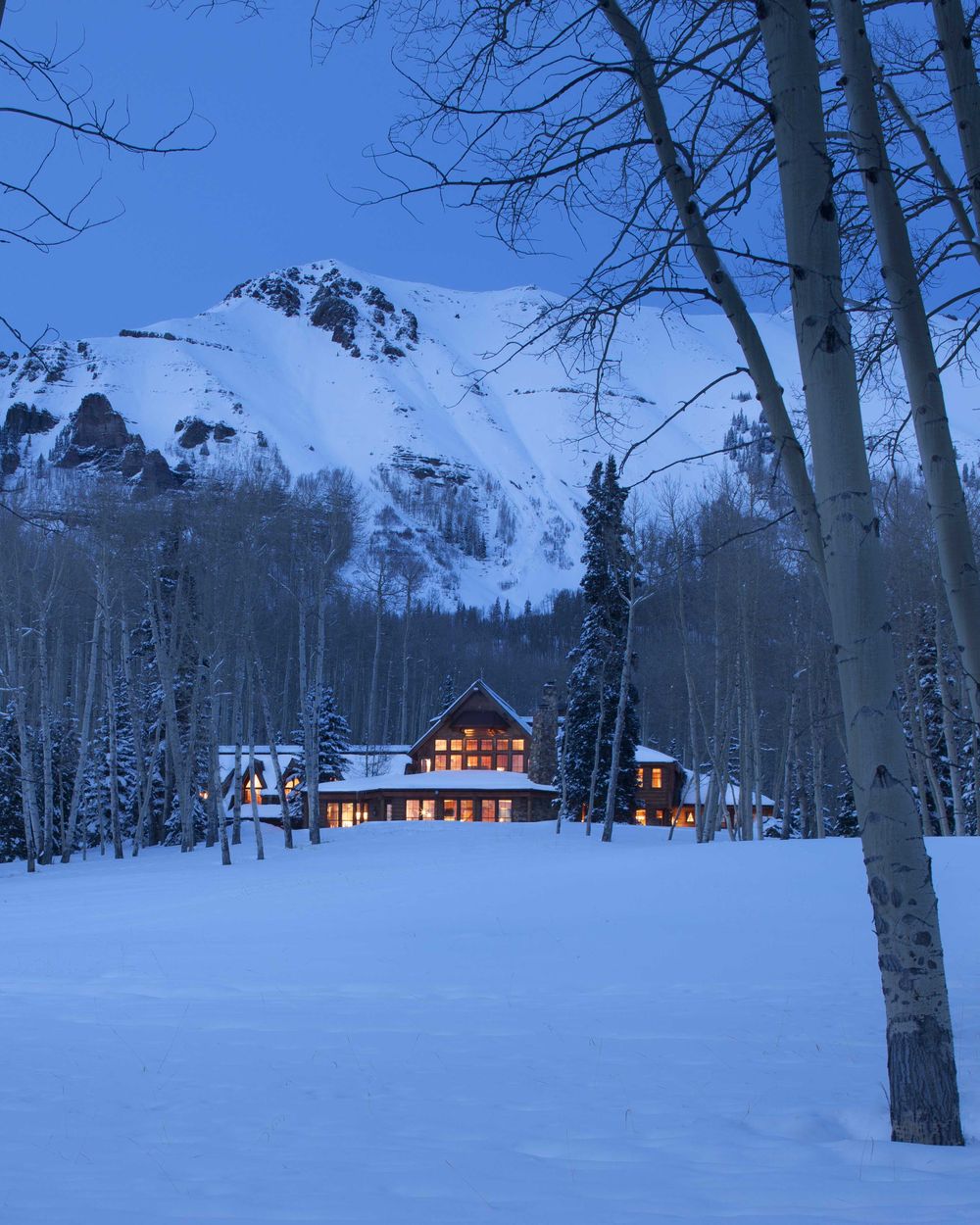
The newest luxury in the mountains is the air itself. At altitude, the premium homes are being fitted with oxygenation systems. A space is sealed and medical-grade oxygen is piped in, lowering its net effective altitude and shortening acclimation dramatically.
Arrive from sea level at 9,000 or 10,000 feet and the first days are punishing. Bring a bedroom down to the equivalent of 5,000, even 3,000 feet, and you can enjoy the trip almost at once. Guests tend to overdo it on day one, in exercise and conviviality alike, and this helps them recover from the skiing.
At the high end, single-family homes program it into the primary suite and often several bedrooms. We pressed the developer to install it at the Four Seasons, too.
Three design talents, one building. I have worked on the Four Seasons in Telluride for a long time as co-listing broker, and it is now going vertical. The developers commissioned Tom Kundig of Olson Kundig, one of North America’s premier architects, a significant choice for a hospitality project of this scale in this setting.
Alongside him is Clements Design, an AD100 firm best known for very high-end residential work and, if you look them up, a fascinating mother-and-son team. Most recently, Alfredo Paredes was commissioned for the restaurants, and I have just seen the takeoffs for every space.
Set at the base of the gondola, with Four Seasons operating, the collaboration will redefine hospitality in Southwest Colorado. It is, I’d say, probably the best design and architecture in the Rocky Mountains. It makes for a really exciting new chapter.
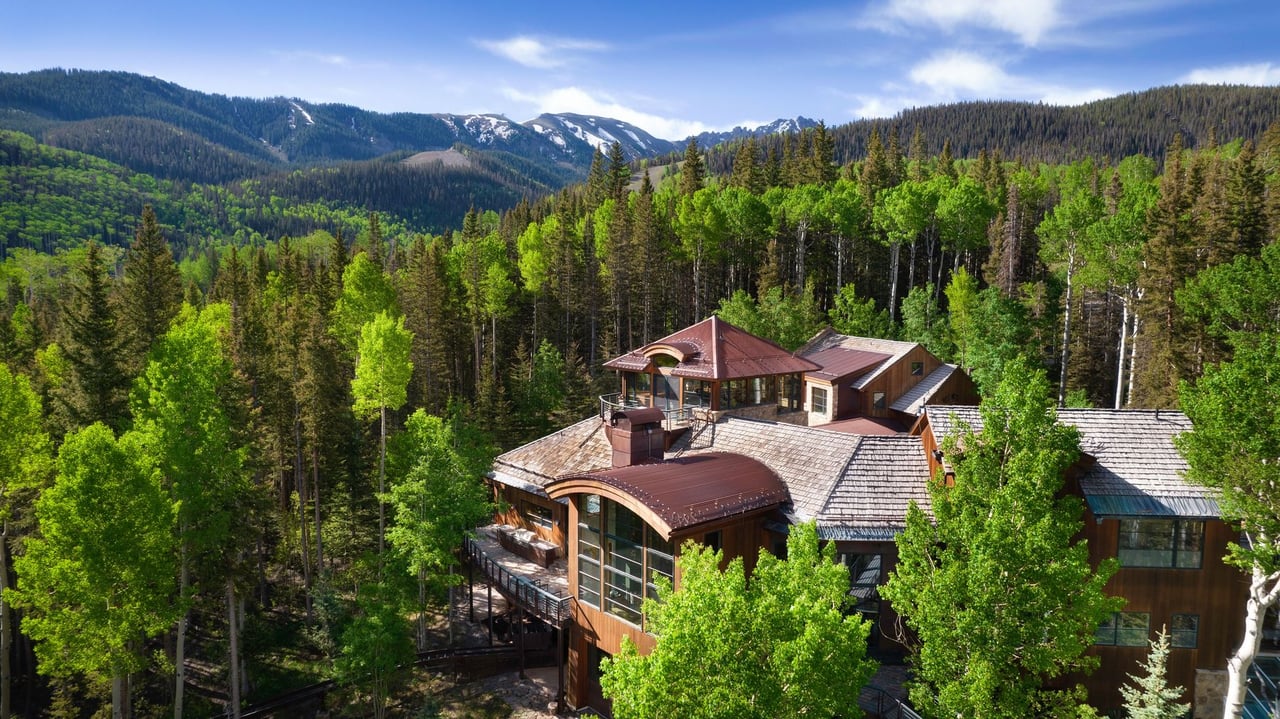
The pendulum is swinging back toward the timeless. For roughly a decade, the mountains favored the stark and austere: glass and white, big and somewhat cavernous boxes. Now I see a return to classic, enduring forms. The vocabulary is still timber, steel, stone, and glass, but the shapes feel rooted in place.
Telluride has always been good at borrowing from its mining past, and that historic vernacular continues to play well here.
Bill Fandel
Materials do much of the work: black walnut and ipe in deep, rich tones, native quarried stone, structural and decorative steel, and expanses of glass.
Wellness is replacing novelty. The over-the-top amenities, golf simulators among them, have lost their pull. In their place: dry saunas, and fewer outdoor televisions.
Houses are being built for the whole family. Since COVID, footprints have grown again after a period of scaling down. It is not sprawl so much as intention: a main house, a guest house, a small bunkhouse, or all of it under one roof, sized for multiple generations and the friends who come with them.
Indoor-outdoor living is the other shift. Colorado cannot replicate Southern California, but with 300 days of sun, retracting doors and walls that open completely are increasingly common. In ski season, you can sit on a deck in the sun for après. You can’t do that in Vermont.
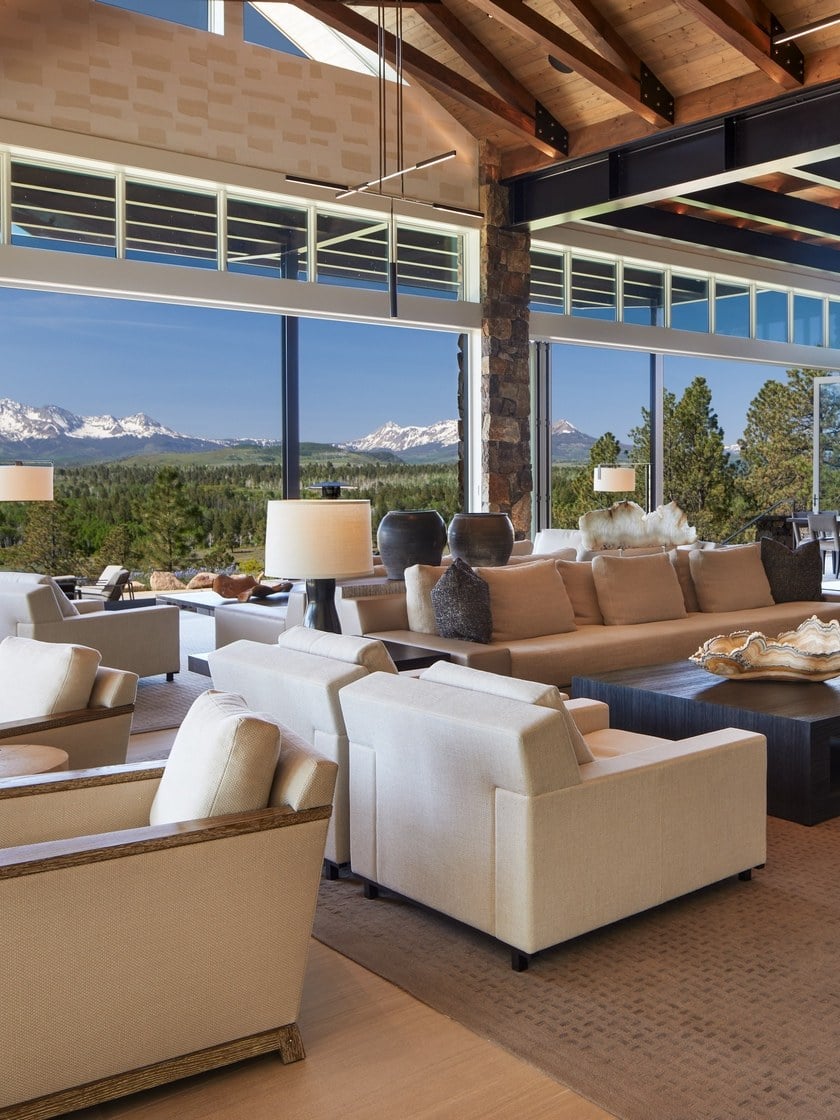
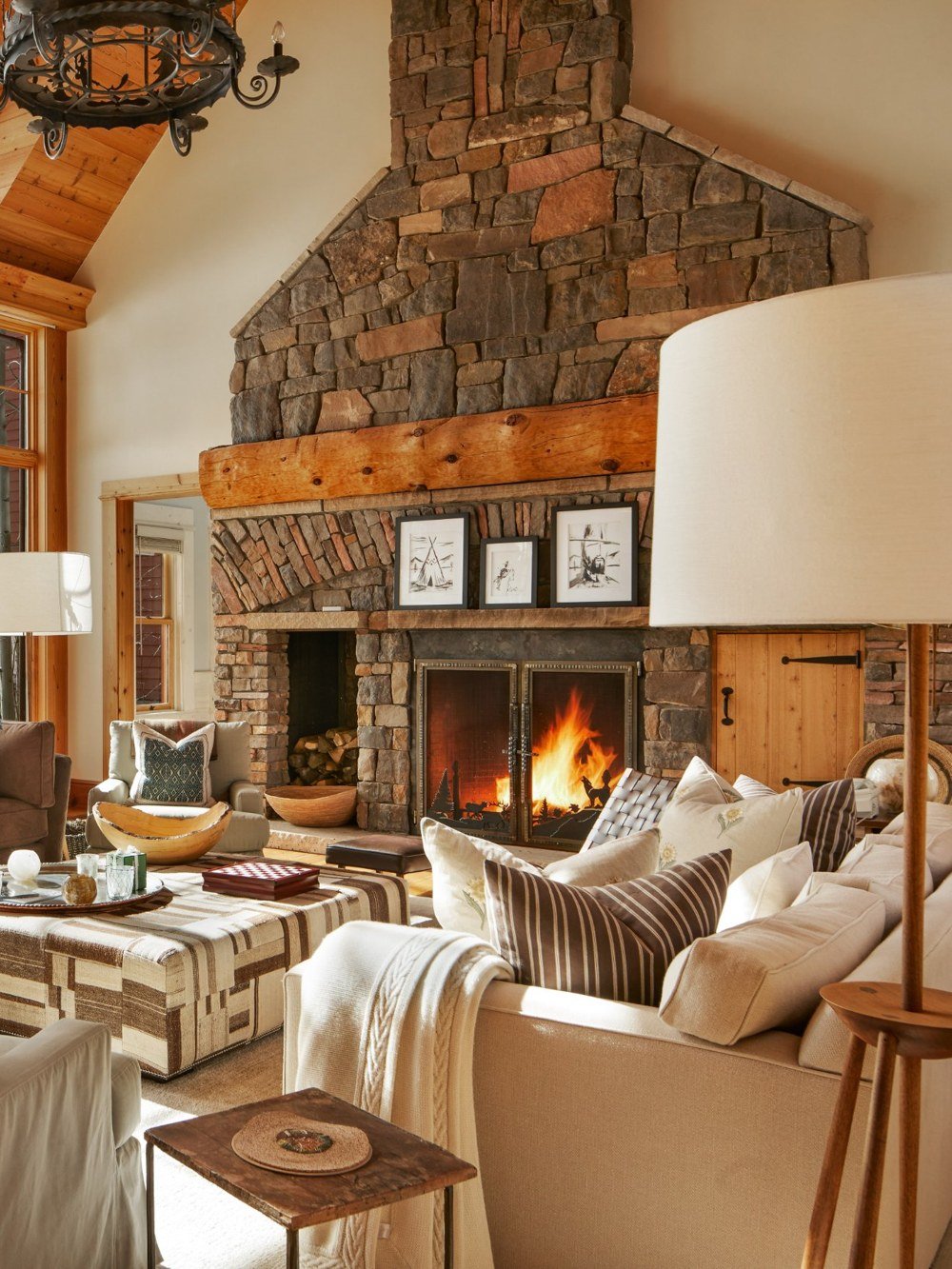
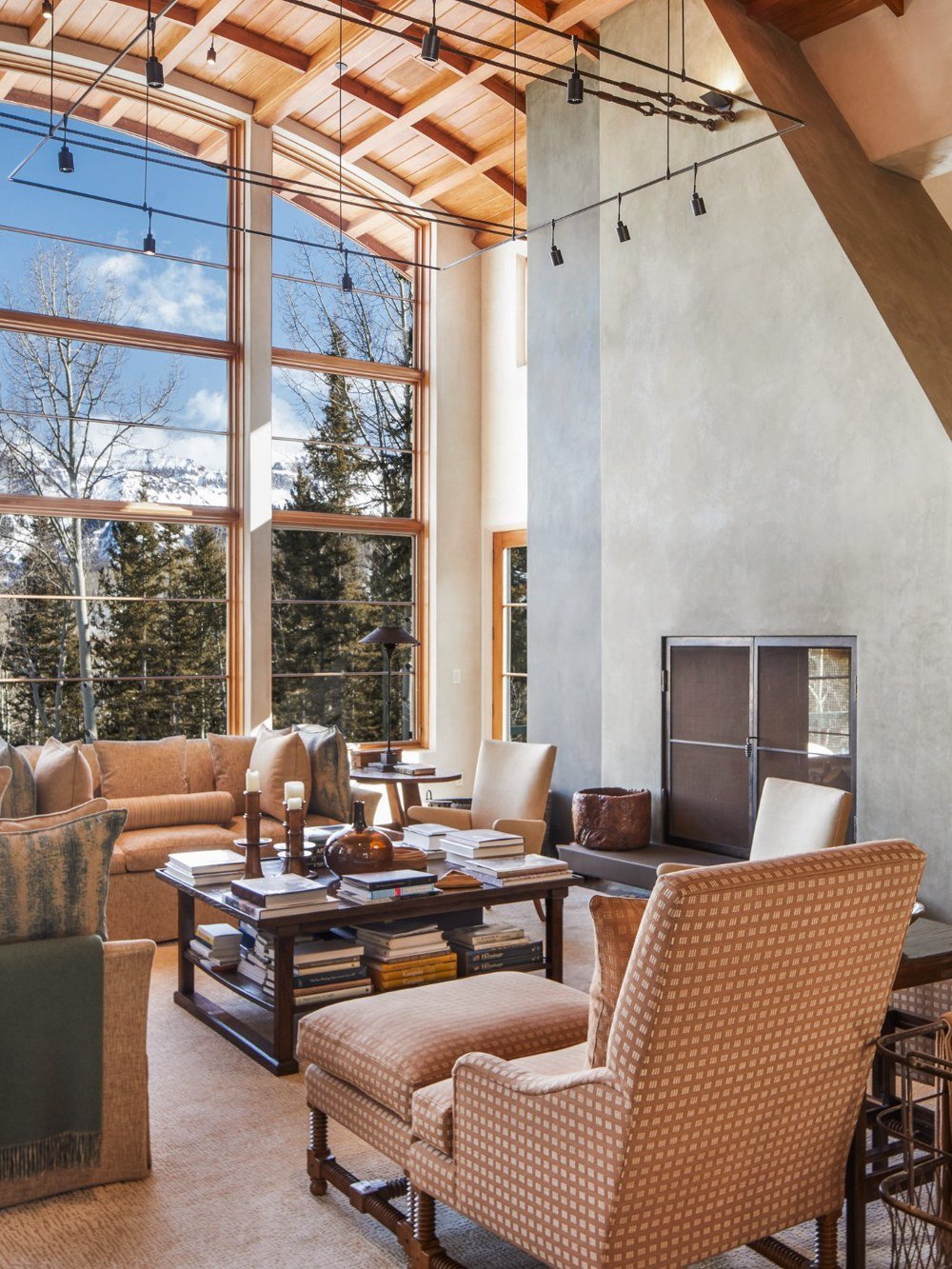
Buyers have become students of design. Because they are online, they are far more astute than they were twenty years ago. They know finishes, fixtures, and sources. I was discussing exactly this with a developer recently.
They are also well traveled. Two decades of economic expansion let people see the world and bring ideas home, so they arrive with a thoroughly evolved eye. They are fickle, they want beautiful things, and they have little tolerance for low quality.
Bill Fandel
On the road, and in the world’s great hotels. I travel constantly, particularly through Western Europe and around the Mediterranean, which seems to have figured out how to live well. I love history.
What fascinates me is where hospitality and real estate meet. Il Pellicano on the Italian coast, Claridge’s in London, the great hotels of Rome: no one blends design, comfort, and a sense of place better, and more of it keeps showing up in homes. A great deal of architecture is borrowed from travel, and it is where my own ideas come from.
When I feel even slightly stagnant, I leave. It revs the engine and shakes up my thinking. And I am devoted to the U.S., too: you can board a plane and land in a completely different climate and setting without leaving the country.
I want to know where people are coming from. I am a student of other markets. Many in my business look only at their own. I watch the mountain markets of North America and Europe for design and market trends. Telluride has climbed into the top tier of North American resorts, and the Four Seasons, which elevates the hospitality side, matters to that.
With so much choice, you have to know all the options and the places buyers come from. I have studied life in River Oaks in Houston, in Atherton, in Greenwich, and I visit those feeder markets so I understand what shapes my clients before they arrive. Few brokers look past the county line. That has never been my model.
Much of my business is broker referral, in both directions, and clients ask me to evaluate other markets and acquire elsewhere. People will buy where they want to buy, but if you advise well, you can compare and contrast and you know where else they are looking. Otherwise, you aren’t providing the full scope of what a top agent should.
I begin with motivation: family and children, or a move driven by tax decisions. Then comes lifestyle. The boater is a different client from the one who wants a beach. Is this a working vacation or a true escape? And where are they in their arc? Someone with grandchildren approaches a property very differently from someone who is just hitting it big.
People call to ask what I know about a place, or whether I know someone there. Connecting those dots, personally and through relationships, is what makes the Collective particularly good. In an age when information has been flattened, trusted advice is critical. Anyone can gather the info online, but people want to qualify who is giving it to them, the way you scrutinize who recommends an important dinner.
Bill Fandel
New estates, new tools, and a 1920s cottage. After a good couple of years of sales, we are bringing estates to market that have never been on the market before. I am enjoying building new digital assets and harnessing AI to do our job better, while continuing to advise clients, perhaps in a different capacity.
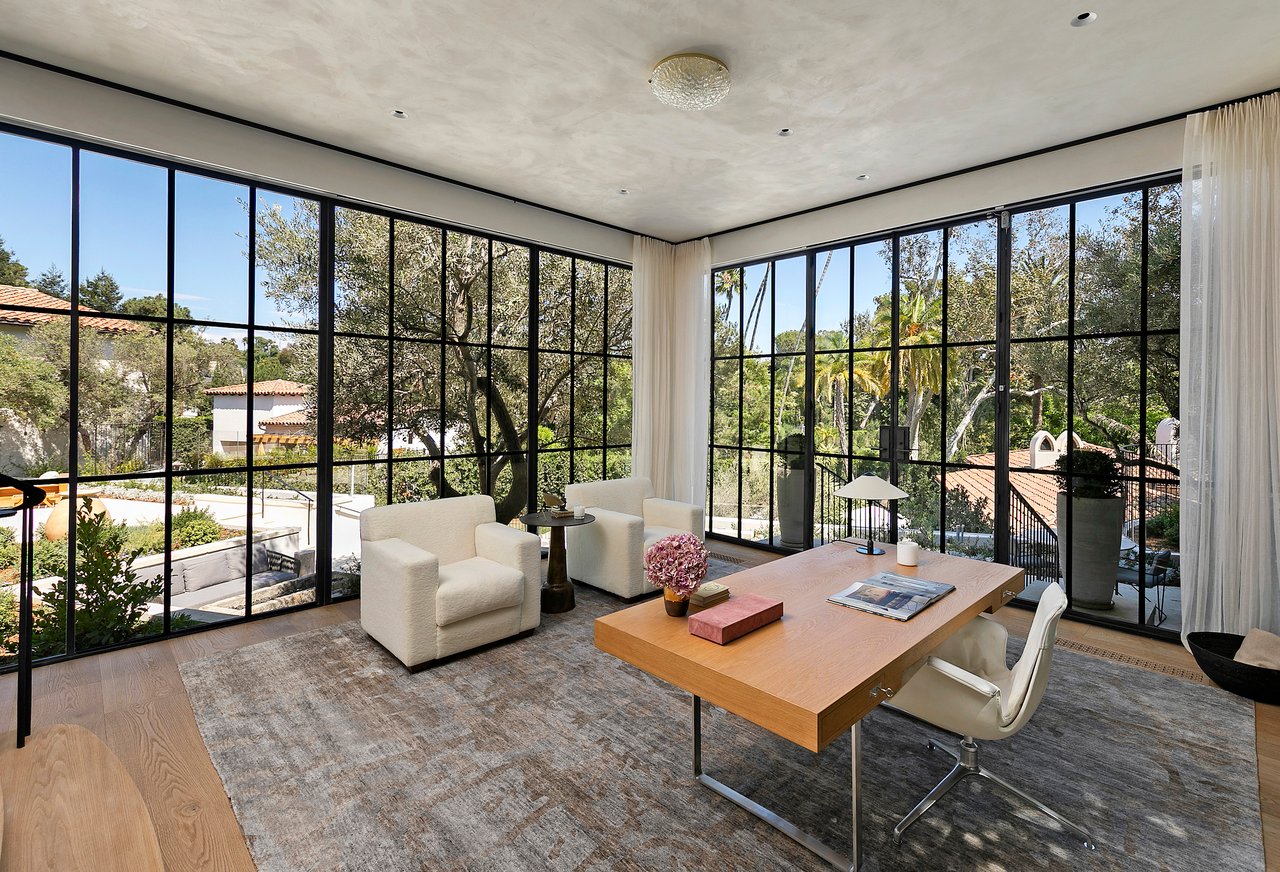
Personally, I have just bought a historic 1920s cottage in Santa Barbara, and I am redoing it entirely, bringing all the character back. It is an easy trip from Telluride; all I need is about 72 hours to recharge. I spend a couple of months there each year and can run my business from either place. If someone needs me for a showing tomorrow, I can be there. A historic beach setting suits the mountains of Southwest Colorado nicely.