Membership
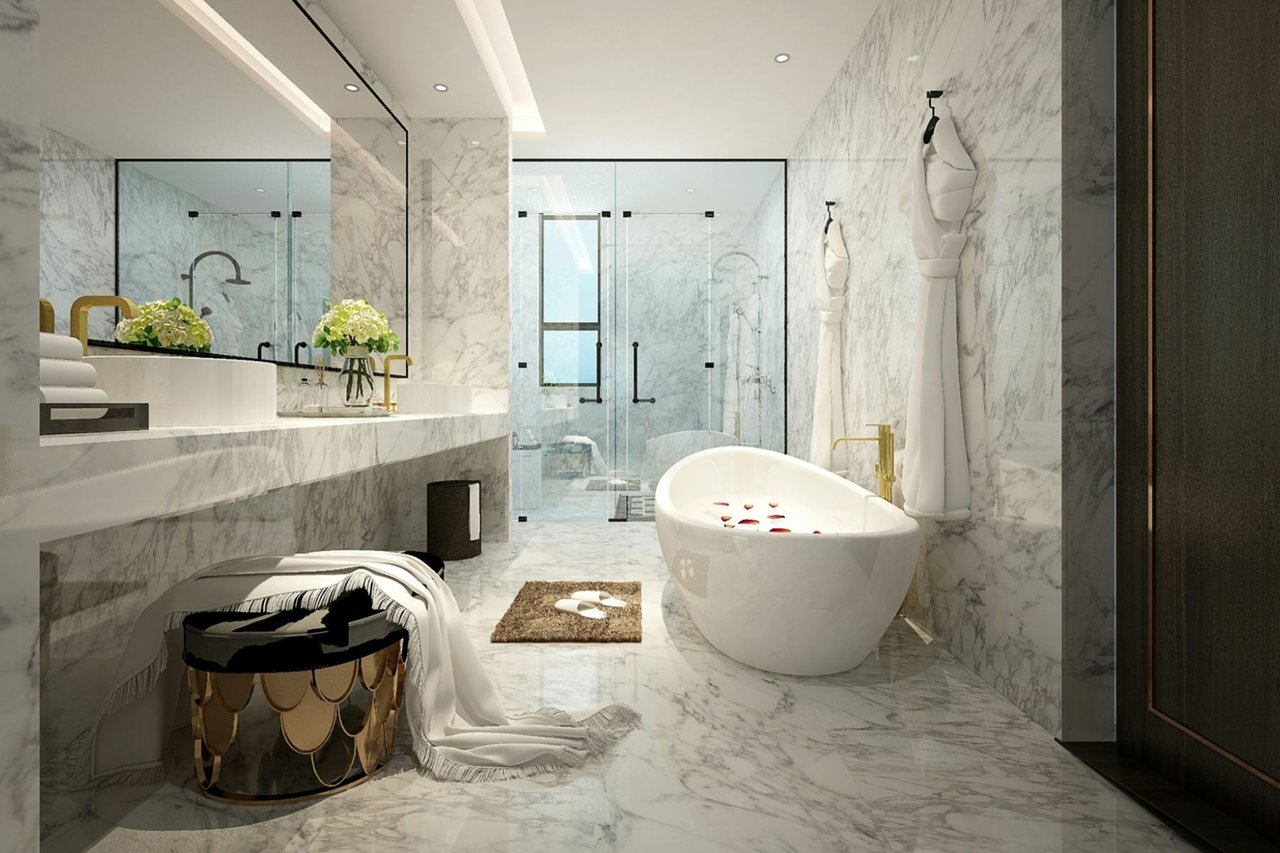
The bathroom has taken on a new role in contemporary residential design. Once approached primarily as a functional space, it is increasingly imagined as a private retreat, somewhere to slow down, reset, and find a moment of quiet within the rhythm of everyday life.
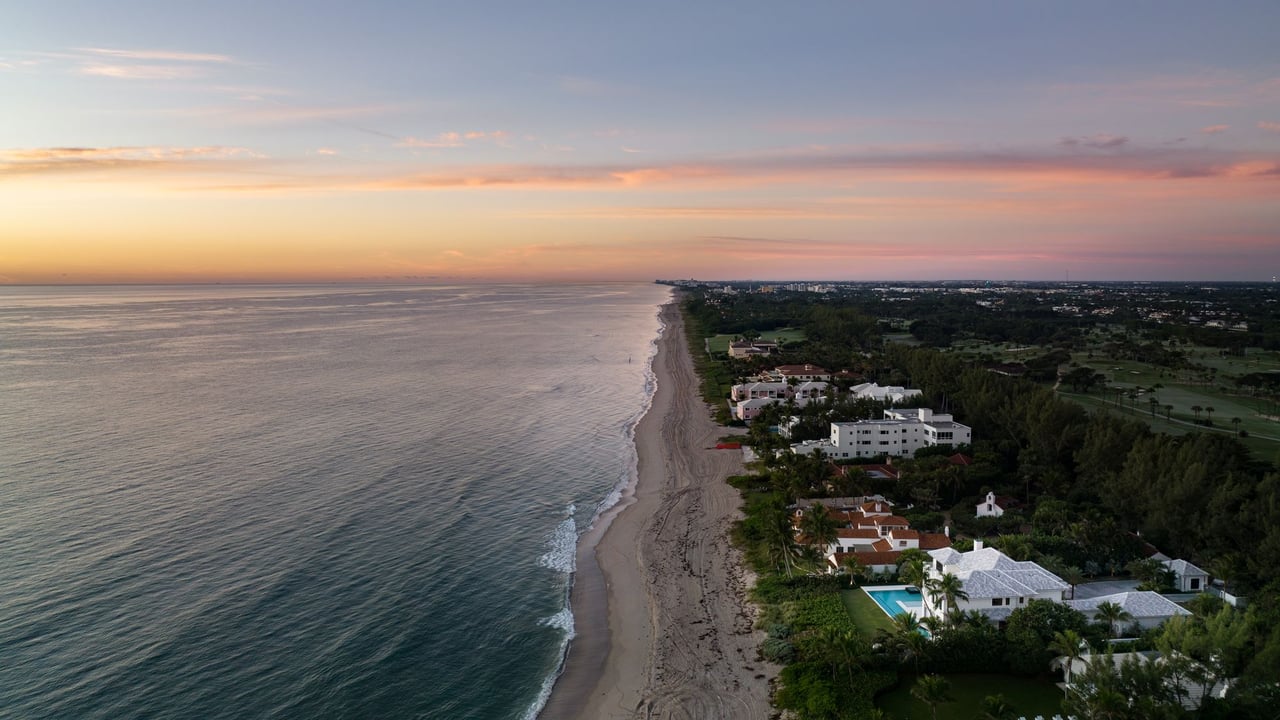
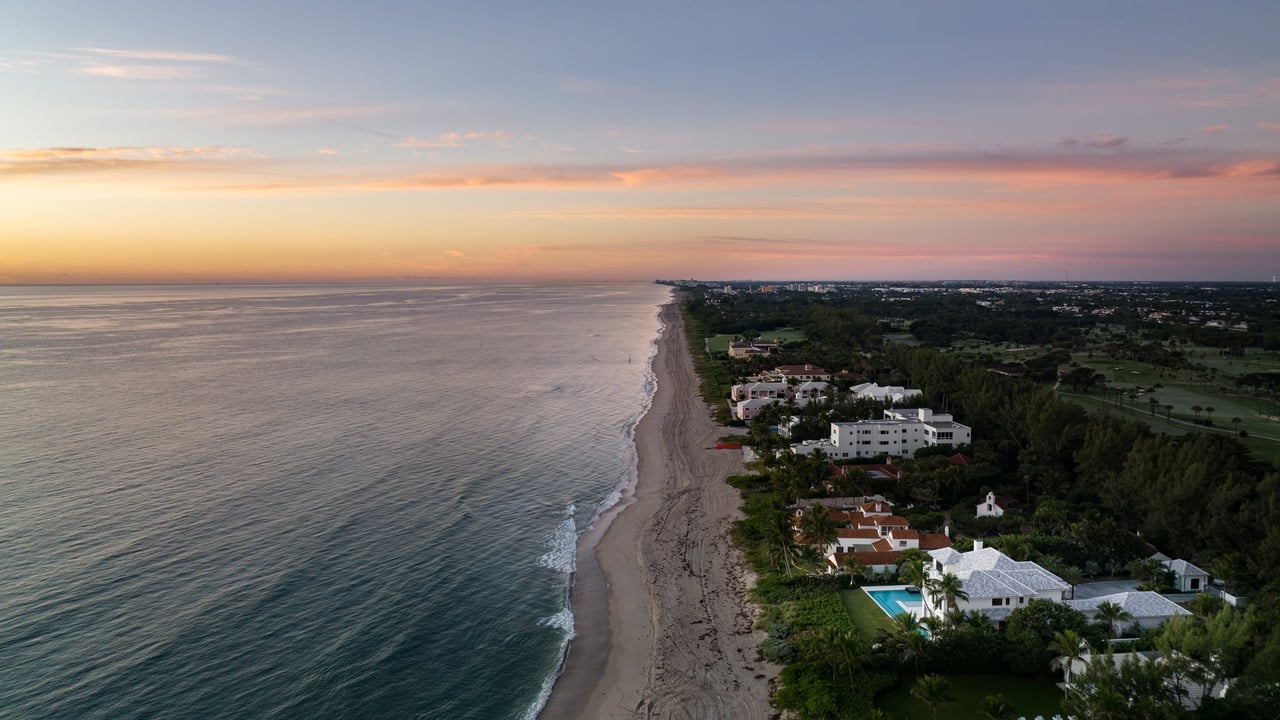
In Delray Beach, Candace Friis and The Friis Team have observed this evolution throughout the area’s luxury homes, where bathrooms are taking on the atmosphere of private resort spas. Natural materials, sculptural fixtures, and thoughtful lighting are transforming these spaces into environments that prioritize comfort and connection to the surrounding coastal landscape.
The cool grays, polished surfaces, and high-contrast palettes that once defined contemporary bathrooms are giving way to something warmer. Honed marble, travertine, limestone, and natural wood are bringing texture and a sense of permanence to interiors.
These materials introduce subtle variation rather than visual uniformity. The veining of a stone surface, the grain of white oak cabinetry, and the soft patina of brushed brass each contribute a character that becomes more interesting with time.
Color follows a similar direction. Warm whites, sandy neutrals, muted greens, and soft taupes create a palette that feels connected to the outdoors without relying on literal coastal references. The effect is understated, allowing material and natural light to do much of the work.
Candace Friis
Within this more considered approach to design, the freestanding soaking tub has emerged as a focal point.
Rather than being tucked into an available corner, the tub is increasingly treated as a sculptural element, positioned beneath a window, against a dramatic stone wall, or within an open wet room. Its placement becomes part of the room’s composition, often framing a garden, pool, or view beyond.
Curbless showers and open wet-room configurations reinforce this sense of continuity. By reducing visual interruptions and allowing materials to flow across the space, they create an environment that feels expansive and architectural.
Perhaps the most significant evolution is the integration of wellness into the everyday experience of the home.
Steam showers, heated floors, towel warmers, and dedicated sauna and cold-plunge spaces are becoming part of a broader conversation about residential design. These features are not simply additions to a bathroom; they reflect a shift toward creating environments that actively support rest and well-being.
Lighting plays an equally important role. Instead of relying on a single overhead source, thoughtfully layered schemes combine natural light, integrated cove lighting, and sconces to create different atmospheres throughout the day. Bright, functional illumination can give way to softer, more ambient light in the evening.
The most successful spaces understand that comfort is as much about how a room feels as how it looks.
Candace Friis
What connects these emerging design directions is a move away from luxury as visual statement and toward luxury as lived experience.
The most compelling bathrooms are not necessarily the largest or most elaborate. They are the ones where every material, fixture, and source of light feels intentional. Where the architecture creates a sense of calm, and where everyday rituals are given the same consideration as the more public spaces of the home.
Candace Friis
In this sense, the modern bathroom represents something larger than a shift in interiors. It reflects a growing appreciation for the quieter details of residential design, and the idea that some of the most meaningful moments in a home happen behind a closed door.